- 123
Interior Design Vietnam: Crafting Timeless Elegance and Functionality in Every Space
Vietnam is a dynamic country with a rich cultural heritage, fast-growing urban centers, and a unique blend of traditional and modern architectural styles. From the bustling streets of Ho Chi Minh City and Hanoi to the tranquil coastal towns, interior design in Vietnam plays a crucial role in shaping the way people live and work. As the country evolves, the demand for premium design solutions in both residential and commercial spaces is growing—whether for homes, offices, hospitality, or retail environments.
In this article, we explore how interior design in Vietnam combines traditional influences with modern sensibilities to create spaces that are not only visually stunning but also functional, sustainable, and tailored to the specific needs of the Vietnamese market.
Understanding Vietnam’s Unique Design Landscape
Vietnam’s architectural landscape is deeply influenced by its diverse cultural history, climate, and the fast-paced urbanization that is reshaping its cities. Ho Chi Minh City (formerly Saigon), Hanoi, and other urban centers are witnessing an influx of mixed-use developments, office towers, hospitality projects, and modern villas. These developments are accompanied by an increasing demand for interior designs that reflect both global luxury standards and local cultural nuances.
Urban Development and Architectural Style
The rapid urbanization in cities like Ho Chi Minh City is leading to a rise in high-density residential and commercial buildings, with an emphasis on mixed-use developments. These structures often feature sleek glass facades, minimalist design elements, and open, airy layouts that align with the modern Vietnamese lifestyle. Traditional Vietnamese design elements—such as wood paneling, intricate carvings, and the use of natural materials—are being woven into these modern spaces, blending both old and new seamlessly.
The climate in Vietnam, particularly the tropical weather in the southern region, also influences the design of spaces. There’s a growing preference for indoor-outdoor living, natural ventilation, and the incorporation of greenery into both residential and commercial spaces. As a result, interior design in Vietnam often includes features like large windows, sliding doors, and outdoor terraces, creating an environment where residents and workers can enjoy the benefits of both nature and modern living.
Designing Homes, Villas, and Apartments: Balancing Tradition and Modernity
Whether it’s a luxury villa by the beach or a modern apartment in an urban high-rise, interior design in Vietnam is all about balance. Homeowners in cities like Ho Chi Minh City and Hanoi are looking for spaces that reflect their personal tastes while incorporating elements of local culture and sustainability.
Modern Villas and Luxury Residences
Luxury villas in Vietnam often feature open-plan layouts with ample space for living, dining, and relaxation. Interior design in Vietnam for these homes focuses on creating a seamless connection between indoor and outdoor spaces, with large windows that allow natural light to flood in. In line with the tropical climate, the use of natural materials like wood, stone, and bamboo is common, along with modern furniture pieces that provide comfort without sacrificing style.
Apartment Living: Functionality Meets Style
As Vietnam’s cities become more densely populated, apartments are becoming a popular choice for residents. In these urban environments, space efficiency is paramount. However, that doesn’t mean sacrificing style. By utilizing thoughtful design principles, interior design in Vietnam for apartments maximizes storage and circulation while maintaining a clean, contemporary aesthetic. Modular furniture, built-in shelving, and innovative lighting solutions create a sense of openness, while local crafts and textiles add a personal touch.
Commercial Spaces: Elevating Offices, Hotels, and Retail Environments
The demand for interior design in Vietnam extends beyond residential spaces. As the country continues to develop economically, commercial spaces—ranging from corporate offices to hospitality venues—are also in need of elevated design strategies that enhance functionality and customer experiences.
Modern Offices: Designing Workplaces for Productivity and Comfort
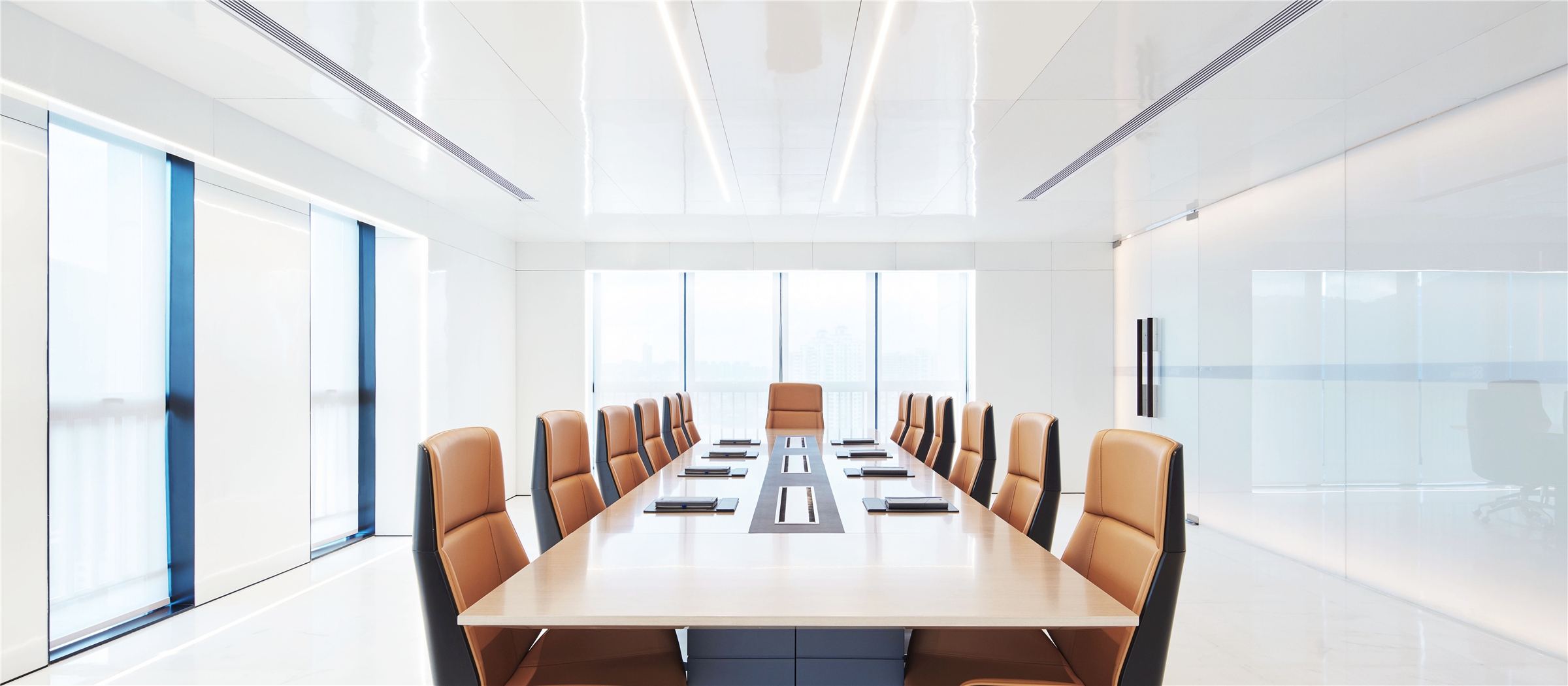
In line with global trends, office interior design in Vietnam is shifting towards more flexible, people-centric workspaces. Many companies in Ho Chi Minh City and Hanoi are adopting open-plan layouts that encourage collaboration, as well as private spaces that offer employees a quiet area to focus. The use of biophilic design, ergonomic furniture, and sustainable materials is on the rise. This trend is being fueled by the growing emphasis on employee well-being and the need for flexible work environments in the wake of hybrid work models.
Hospitality Design: Crafting Memorable Guest Experiences
With Vietnam’s booming tourism industry, hospitality design is one of the most rapidly evolving sectors. Hotel interior design in Vietnam reflects a blend of modern luxury and traditional Vietnamese elements, creating unique spaces that make guests feel at home while immersing them in the local culture. Designers are increasingly incorporating local craftsmanship, traditional fabrics, and natural materials to evoke a sense of place. Whether it’s a boutique hotel in Hanoi’s Old Quarter or a beachfront resort in Da Nang, hospitality spaces are being designed to offer both luxury and authenticity.
Retail Design: Creating Immersive Customer Experiences
Retail design in Vietnam is also embracing experiential concepts that align with global trends. Shopping centers and stores are focusing on creating immersive experiences for customers, from interactive displays to sophisticated lighting strategies that highlight products. Interior design in Vietnam for retail spaces also emphasizes customer flow and strategic product placement to enhance the overall shopping experience.
The Design Process: From Concept to Execution
Our firm follows a comprehensive process to deliver exceptional interior design that not only looks refined but functions seamlessly for the long-term. The process begins with understanding the unique needs of our clients—whether residential or commercial—and tailoring designs that reflect their lifestyle, brand identity, and spatial requirements.
-
Consultation & Lifestyle Analysis: We begin by understanding how clients use their space, their design preferences, and their cultural connections to the environment.
-
Spatial Planning & Concept Development: Our team creates floor plans that promote ease of movement, comfort, and optimal use of space while considering natural light, air flow, and functionality.
-
Material Selection & Visual Identity: We choose materials and finishes that align with the space’s intended purpose, whether that’s sustainable materials for an office or luxurious fabrics for a hotel.
-
3D Visualization & Design Development: Using state-of-the-art technology, we create realistic 3D renderings that allow clients to visualize the design before implementation.
-
Execution & Styling: We ensure that the final product is executed to perfection, from sourcing furniture to installing the final touches that complete the space.
Why Choose Our Firm for Interior Design in Vietnam?
With our expertise in interior design in Vietnam, our firm specializes in creating spaces that blend creativity, functionality, and cultural relevance. Whether you are looking to design a luxurious villa, a modern apartment, a high-performance office, or a captivating hospitality venue, we bring your vision to life through thoughtful design that reflects the rich heritage and vibrant future of Vietnam.
We pride ourselves on delivering bespoke interior design solutions that stand the test of time—designs that are not only visually beautiful but also practical, functional, and responsive to the unique needs of the space and the people who occupy it.
Connect with us in


