Interior Design in Vietnam: Commercial & Residential Innovation
Understanding How Vietnam Lives, Works, and Experiences Space
Vietnam’s urban landscape is undergoing a profound transformation. From the historic alleyways of Hanoi’s Old Quarter to Ho Chi Minh City’s vertical energy in District 1 and the coastal innovation hubs of Da Nang, the country is no longer just emerging—it’s leading. Interior Design Vietnam
Economically, Vietnam is powered by tech, manufacturing, tourism, and a rapidly growing middle class. This fuels demand for both high-performance workplaces and emotionally resonant homes. Urban density is intensifying—especially in HCMC and Hanoi—where narrow nhà ống (tube houses) coexist with luxury high-rises and mixed-use developments like Vinhomes or One Bangkok-inspired districts.
Culturally, Vietnamese life balances hiếu khách (hospitality), multi-generational living, and a deep connection to nature—even in the city. The climate—hot, humid, and monsoon-prone—demands intelligent passive design. And socially, spaces must support both communal gathering and private retreat.
In this context, interior design isn’t decoration. It’s strategic infrastructure—shaping how people live, work, connect, and thrive.
Designing Hotels that Reflect the Identity of Vietnam
Vietnam’s hospitality scene is evolving beyond colonial nostalgia and generic luxury. Today’s guests—whether digital nomads in Hoi An or executives in Hai Phong—seek authenticity with comfort.
Great hotel design in Vietnam begins with cultural storytelling, not cliché. Instead of dragon motifs or red lacquer everywhere, we reinterpret heritage through:
- Material honesty: laterite stone from Ninh Bình, hand-glazed ceramics from Bat Trang, reclaimed gỗ lim (ironwood) from decommissioned boats
- Spatial rhythm: courtyards that echo traditional yin kwin (house compounds), shaded verandas that invite the outside in
- Sensory immersion: scent diffusion of osmanthus or lemongrass, acoustic panels woven from nón lá (conical hat) fibers
For a boutique hotel in Tay Ho, we designed a “Thanaka ritual” welcome zone—not because it’s Burmese, but because wellness rituals resonate across Southeast Asia. Guests remember the feeling, not just the room.
Operational efficiency is equally vital. Back-of-house zones are planned for seamless service in tight urban footprints, while staff areas reflect nam jai (kind-heartedness)—because happy teams deliver genuine hospitality.
The result? Spaces that stand out not through opulence, but through emotional resonance and local soul.
High-Performance Workplace Design in Vietnam
Vietnam’s workforce is young, digitally fluent, and increasingly hybrid. Gen Z professionals value purpose, flexibility, and well-being over corner offices. In response, forward-thinking companies—from fintechs in Cau Giay to logistics firms in Binh Duong—are reimagining their offices as talent magnets, not cost centers.
Our workplace strategy integrates:
- Activity-Based Working (ABW): quiet pods for deep focus, sala-inspired lounges for team huddles, herbal tea stations for informal connection
- Climate-responsive design: cross-ventilation to reduce AC dependency by 40%, circadian lighting that mimics Hanoi’s golden hour
- Tech-enabled flexibility: app-based desk booking, encrypted AV for hybrid meetings, smart HVAC that adapts to occupancy
Wellbeing isn’t a perk—it’s productivity infrastructure. Low-VOC clay plasters regulate indoor air quality; acoustic baffles soften urban noise; green walls purify and calm.
As one client in Tan Binh reported: “Từ ngày chuyển văn phòng, nhân viên không muốn về nhà nữa.” (“Since moving offices, employees don’t want to go home.”)
This isn’t just satisfaction—it’s retention, collaboration, and performance.
Creating Social Destinations Through Restaurant & Club House Design
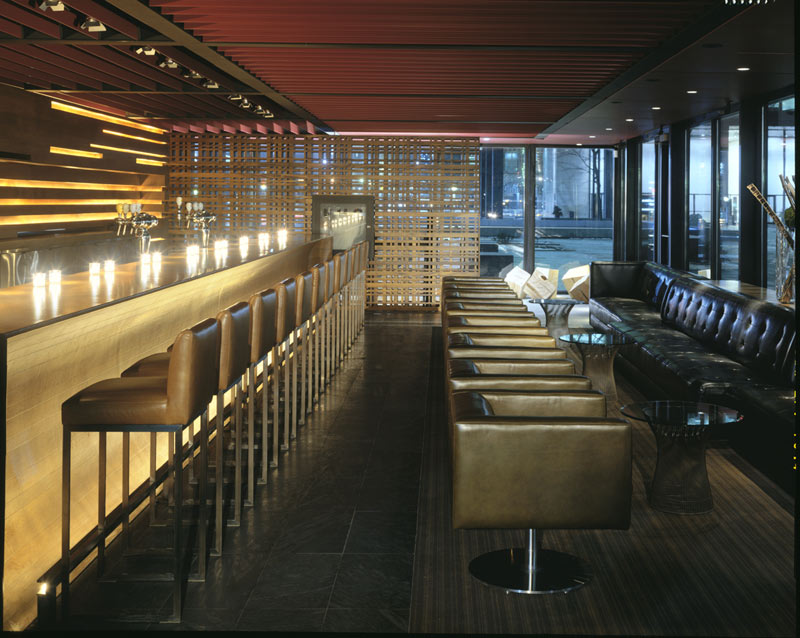
Vietnam’s F&B culture thrives on vibrancy, flavor, and social connection. From street-side phở stalls to rooftop bars in Landmark 81, dining is an experience—not just a meal.
In this competitive landscape, design becomes your silent brand ambassador. We craft spaces that:
- Tell a story: A seafood restaurant in Vung Tau uses fishing net textures and wave-inspired ceilings to connect cuisine to coast
- Optimize flow: Service pathways minimize steps between kitchen and table, while acoustic zoning ensures conversation isn’t drowned out
- Invite sharing: Lighting is calibrated for phone cameras—warm, diffused, never harsh—so every dish looks irresistible online
Luxury clubhouses in integrated developments like Vinhomes Ocean Park go further—blending wellness (herbal steam rooms), social (lounges with Mekong views), and exclusivity (private dining salons).
The goal? Create moments so memorable, guests return—and post.
Designing Homes that Respond to the Way Vietnam Lives
Vietnamese homes must balance tradition and modernity, privacy and community, compactness and comfort.
In apartments (common in HCMC and Hanoi), we maximize every square meter:
- Sliding partitions create flexible zones
- Hidden storage keeps spaces calm
- Vertical gardens bring nature indoors
In landed homes, villas, and bungalows (from Thao Dien to Da Nang’s coastal enclaves), we choreograph flow:
- Private wings for elders, open courtyards for Tết gatherings
- Indoor-outdoor transitions via shaded verandas and water features
- Smart home systems that recede, not dominate
All designs respond to climate: elevated floors for monsoon, cross-breezes for cooling, materials that age gracefully in humidity.
As one family in Phu My Hung shared: “Từ ngày chuyển về, cả nhà quây quần nhiều hơn—đó là điều tiền không mua được.” (“Since moving in, the whole family gathers more—that’s something money can’t buy.”)
Unique Interior Design Ideas We Implement
Our approach blends global insight with Vietnamese intelligence:
- Biophilic Integration: Not just plants—but ecosystems. Lotus ponds that cool, fern walls that purify, bamboo screens that breathe.
- Adaptive Layouts: Furniture on casters, modular partitions, multi-use rooms that shift with life stages.
- Layered Lighting: Ambient, task, and accent layers that mimic natural daylight cycles—supporting circadian health.
- Material Contrast: Rough laterite against smooth lacquer, woven textiles beside polished stone—creating tactile depth.
- Cultural-Modern Fusion: Traditional hoa văn (motifs) reinterpreted in laser-cut metal or digital prints—honoring heritage without pastiche.
- Immersive Brand Environments: For retail or F&B, every touchpoint—from doorknob to playlist—is curated for emotional consistency.
- Sustainable Material Strategies: Reclaimed wood, low-carbon terrazzo, locally sourced clay—reducing embodied carbon while supporting artisans.
- Technology-Enhanced Spatial Experiences: Voice-controlled lighting, occupancy-sensing HVAC, AR walkthroughs during design—all invisible in daily use.
Each idea is rooted in contextual logic, not trend.
Why Interior Design in Vietnam Requires Local Intelligence
Global templates fail here. Vietnam’s unique conditions demand deep fluency:
- Regulatory awareness: Fire safety, municipal permits, and height restrictions vary by district
- Climate mastery: Humidity warps wood, monsoons flood basements, heat demands passive cooling
- Property typology expertise: Narrow shophouses vs. high-rise apartments vs. suburban villas require radically different strategies
- Cultural nuance: Altars must be placed with care; multi-generational flow is non-negotiable
- Supply chain knowledge: Knowing which artisans in Hue still hand-paint lacquer, or where to source storm-resistant bamboo
- Construction reality: Managing timelines around Tet, rainy season, and labor availability
At our firm, we don’t just design in Vietnam—we design from within it.
Our Design Approach
- Research & Site Analysis: We study climate, culture, user behavior, and site constraints before sketching a line.
- Concept & Spatial Strategy: Narrative-driven planning that aligns with brand or lifestyle goals.
- Visualization & Detailing: 3D walkthroughs, material boards, and technical drawings that eliminate guesswork.
- Technical Coordination: MEP, lighting, smart systems—all integrated from day one.
- Execution & Project Control: In-house build team ensures vision integrity, on time, on budget.
- Final Styling & Handover: Thoughtful touches that make the space feel instantly lived-in.
No handoffs. No surprises. Just one team, one vision.
Transform Your Commercial or Residential Space in Vietnam
Whether you’re launching a hotel in Hoi An, reimagining your office in Binh Thanh, or building a legacy home in Ba Vi—you need a partner who understands Vietnam’s soul and standards.
At our firm, we blend global rigor with local heart to create spaces that don’t just look exceptional—they perform, endure, and inspire.
Ready to begin? Contact us for a strategic design consultation—and let’s build something extraordinary together.
Connect with us in Interior Design Vietnam


