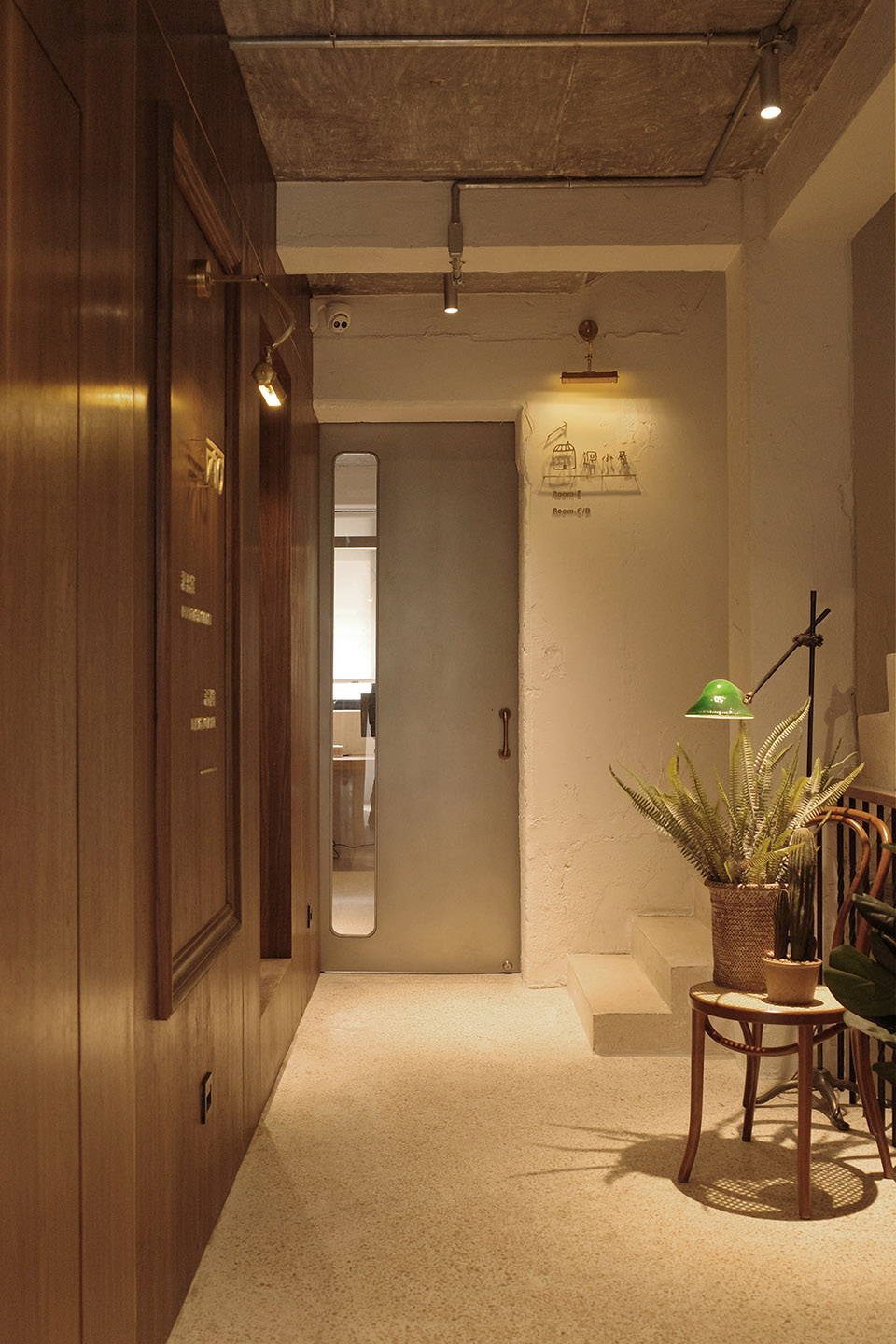
Restaurant Interior Design Vietnam | Creating Iconic Luxury Dining Experiences
In today’s hospitality landscape, a restaurant is no longer just a place to eat—it is a place to experience. In Vietnam’s dynamic culinary scene, the atmosphere of a restaurant can be just as memorable as the food itself. From the bustling streets of Ho Chi Minh City to the heritage districts of Hanoi and the coastal charm of Da Nang, diners are drawn to venues that evoke emotion, identity, and story.Restaurant Interior Design Vietnam
This is where Restaurant Interior Design Vietnam becomes more than decoration—it becomes a strategic tool that shapes how guests feel, interact, and remember a dining destination.
As designers, we believe every restaurant should tell a story through space. The most successful venues do not simply serve cuisine; they create immersive environments where architecture, lighting, materials, and movement work together to elevate the culinary journey.
Understanding Vietnam’s Dining Culture and Urban Energy
Vietnam’s food culture is vibrant, social, and deeply rooted in daily life. Dining here is rarely rushed. Families gather around large tables, friends linger over late-night dishes, and cafés often transform into creative social hubs.
Cities like Ho Chi Minh City—often affectionately called “Sài Gòn”—pulse with entrepreneurial energy, with restaurants competing in lively districts such as District 1, Thao Dien, and Nguyen Hue Boulevard. Meanwhile, Hanoi blends heritage and modernity, where historic shophouses and tree-lined streets inspire atmospheric dining spaces. Coastal destinations like Da Nang and Nha Trang introduce another dimension: relaxed lifestyle dining with strong connections to sea breezes and outdoor terraces.
Climate also plays an important role. Vietnam’s tropical environment encourages open façades, lush greenery, and indoor–outdoor transitions that allow restaurants to breathe naturally. This creates opportunities for layered spatial experiences—from shaded courtyards to breezy verandas that feel welcoming year-round.
For a designer, these cultural and environmental influences become the foundation of successful Restaurant Interior Design Vietnam.
From Concept to Destination: The Design Journey
Creating an iconic dining environment is a thoughtful, multi-stage process. A professional design firm approaches each restaurant project as a narrative waiting to be translated into space.
1. Concept Development and Brand Storytelling
Every remarkable restaurant begins with a strong concept. Is the venue celebrating traditional Vietnamese cuisine, modern fusion, or international gastronomy?
Design begins by aligning spatial identity with culinary philosophy. A contemporary Vietnamese restaurant might draw inspiration from rice terraces, bamboo craftsmanship, or lantern-lit streets of Hội An. A luxury seafood restaurant might emphasize fluid shapes, ocean-inspired textures, and tranquil lighting.
The goal is to translate brand values into architecture—so that guests instantly feel the story the moment they enter.
2. Spatial Planning and Guest Flow
Behind every beautiful restaurant is a carefully orchestrated layout.
A successful floor plan balances aesthetics with functionality. Designers carefully choreograph guest journeys—from the arrival moment at the entrance to the final steps toward the exit.
In Vietnam’s busy urban districts where space can be limited, intelligent zoning becomes essential. Key design strategies include:
-
Clear circulation paths for staff and guests
-
Balanced seating density for comfort and profitability
-
Seamless integration between dining areas, bar counters, and waiting lounges
-
Visual connections that create openness even in compact footprints
These decisions influence both operational efficiency and guest comfort.
3. Lighting: Crafting Atmosphere and Emotion
Lighting is one of the most powerful tools in restaurant design. It transforms architecture into ambience.
Soft layered lighting—pendant lamps, concealed LEDs, and sculptural fixtures—can create a warm, intimate mood that encourages diners to stay longer. Dramatic accent lighting can highlight key features such as bar counters, wine displays, or artistic installations.
In Vietnam, designers often incorporate lantern-inspired lighting elements, textured shadows, and warm golden tones that complement the region’s cultural aesthetic.
Lighting not only enhances visual comfort—it creates the emotional rhythm of the dining experience.
4. Materials and Texture: Authenticity in Every Surface
Material selection plays a defining role in creating memorable dining spaces.
In Restaurant Interior Design Vietnam, designers frequently explore a rich palette of natural and artisanal materials:
-
Warm timber and bamboo structures
-
Handcrafted tiles and ceramic surfaces
-
Stone textures inspired by local landscapes
-
Brass or copper accents for refined elegance
-
Woven rattan elements reflecting traditional craftsmanship
These materials add authenticity and tactile warmth, ensuring the environment feels grounded in local culture while still contemporary.
5. Furniture and Seating Experiences
Seating design influences how guests interact with the space.
A carefully curated mix of seating types creates variety and visual interest. Banquettes provide comfort for long meals, communal tables encourage lively social gatherings, and intimate two-person settings support romantic dining.
Luxury restaurants often incorporate layered seating levels, curved booth arrangements, or sculptural chairs that enhance spatial identity. The aim is always the same: to make guests feel relaxed, engaged, and emotionally connected to the environment.
6. Kitchen Coordination and Service Efficiency
A beautiful restaurant must also function seamlessly behind the scenes.
Designers work closely with chefs and operators to ensure the kitchen layout supports efficient service. The relationship between dining areas, service stations, and kitchen flow must be carefully calibrated.
This collaboration ensures that the restaurant’s operational rhythm matches the elegance of its design.
Designing Spaces That Guests Want to Share
In the digital era, a restaurant’s visual identity extends far beyond its physical walls. Social media has become a powerful amplifier for hospitality brands.
Guests today love spaces that are visually distinctive and “Instagrammable.” Dramatic lighting installations, bold architectural forms, statement art pieces, and layered materials can all create moments worth capturing and sharing.
Thoughtful design increases dwell time, encourages repeat visits, and amplifies word-of-mouth marketing.
This is why Restaurant Interior Design Vietnam must balance aesthetic impact with authentic storytelling—so the space feels both photogenic and meaningful.
The Signature Elements of Iconic Dining Spaces
Certain design elements consistently define restaurants that become cultural destinations:
-
Sculptural lighting installations
-
Layered textures and rich material palettes
-
Distinct architectural features such as arches or vaulted ceilings
-
Strong brand identity expressed through space
-
Immersive ambience that stimulates all senses
-
Carefully curated seating experiences
When these elements are thoughtfully integrated, the restaurant becomes more than a venue—it becomes a landmark.
Lessons from the Evolving Retail and Hospitality Landscape
Across global retail and hospitality markets, physical destinations are becoming more experience-driven. High-street locations and mixed-use developments increasingly prioritize food and beverage concepts because they generate consistent foot traffic and vibrant urban life.
For restaurants, this means the design of the physical environment plays an increasingly strategic role in attracting visitors and differentiating brands in competitive districts.
Crafting Michelin-Level Experiences Through Design
Fine dining and Michelin-level venues take design storytelling even further.
These restaurants often emphasize:
-
Precision craftsmanship in materials
-
Exclusive spatial arrangements
-
Dramatic lighting atmospheres
-
Minimalist elegance that highlights culinary artistry
Every design detail—from table spacing to acoustic comfort—is calibrated to enhance the sensory experience of the meal.
In this way, Restaurant Interior Design Vietnam becomes a quiet partner to the chef’s vision, supporting the emotional journey of each course.
Designing the Future of Dining in Vietnam
Vietnam’s restaurant landscape is evolving rapidly. International tourism, urban development, and a growing appreciation for design-driven hospitality are reshaping expectations.
The most successful restaurants of tomorrow will be those that combine culinary excellence with immersive spatial storytelling.
At our firm, we believe the role of a designer goes far beyond aesthetics. We guide restaurateurs through the entire journey—from concept development to final styling—ensuring that every design decision reinforces the brand, enhances operational performance, and creates unforgettable guest experiences.
Because when architecture, culture, and cuisine come together beautifully, a restaurant becomes something extraordinary.
It becomes a destination.


